Relational Dynamics and Success in Citizen Science

Our paper on measuring collaborations and performance in citizen science projects is out in Citizen Science, Theory and Practice!
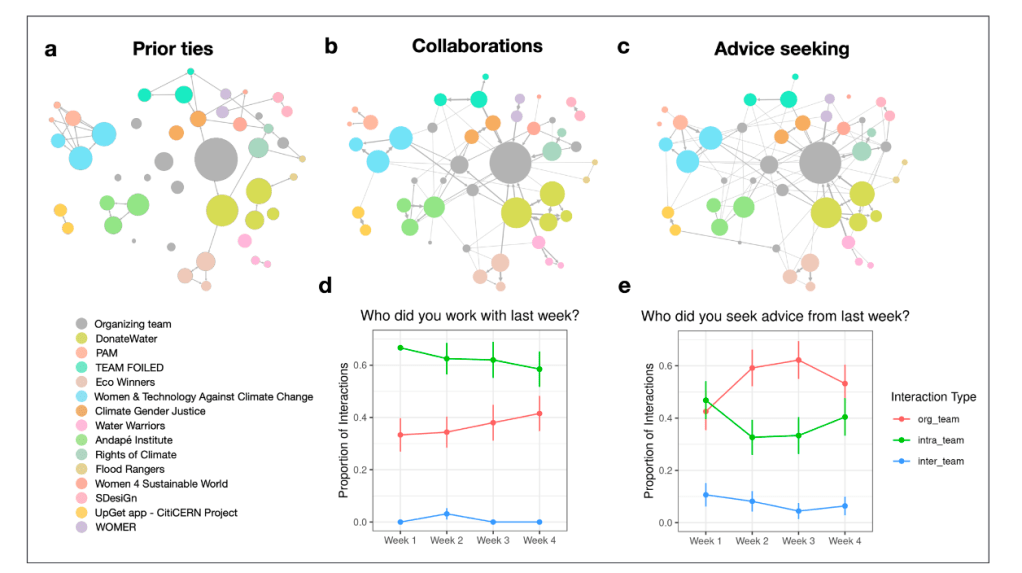
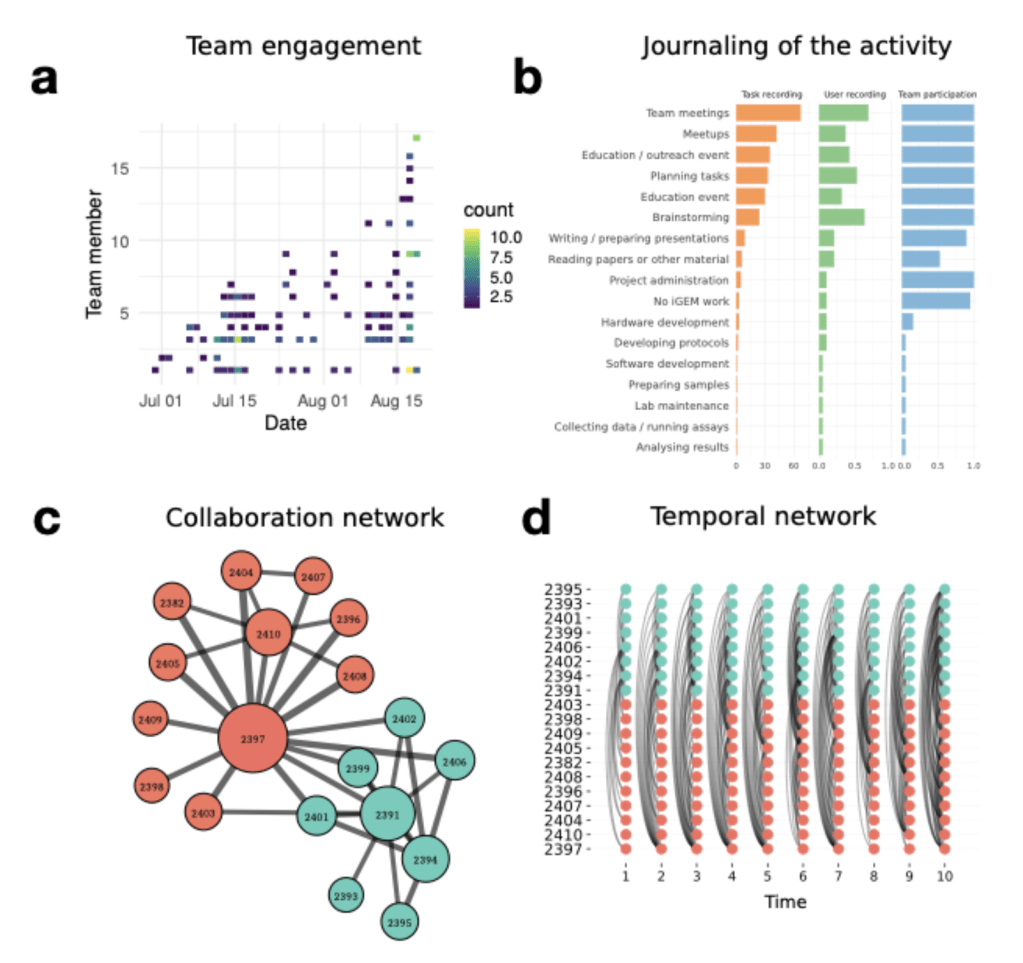
This work is the result of the European project Crowd4SDG, where we directed the part on the quality criteria of citizen science. We implemented the measurement of processual criteria based on a perspectivist and deliberative epistemology of citizen science published in the Royal Society Open Science (see this other post). With the help of the CoSo app (that we presented in this post), we monitored interactions within a collaborative ecosystem of citizen science innovation projects, revealing the relational dynamics and their influence on project performance. Our approach, combining digital analyses and self-reports, allowed us to break down interactions into multi-layer social networks, highlighting the importance of social capital and relationship management for the success of initiatives. We identified links between team structures, their communications, and the quality of their projects, emphasizing the impact of engagement and collaboration on producing relevant and innovative outcomes. This approach enriches the evaluation tools in citizen science and offers concrete ways to improve engagement, inclusion, and diversity in these projects.
Community Review Systems in Science Funding

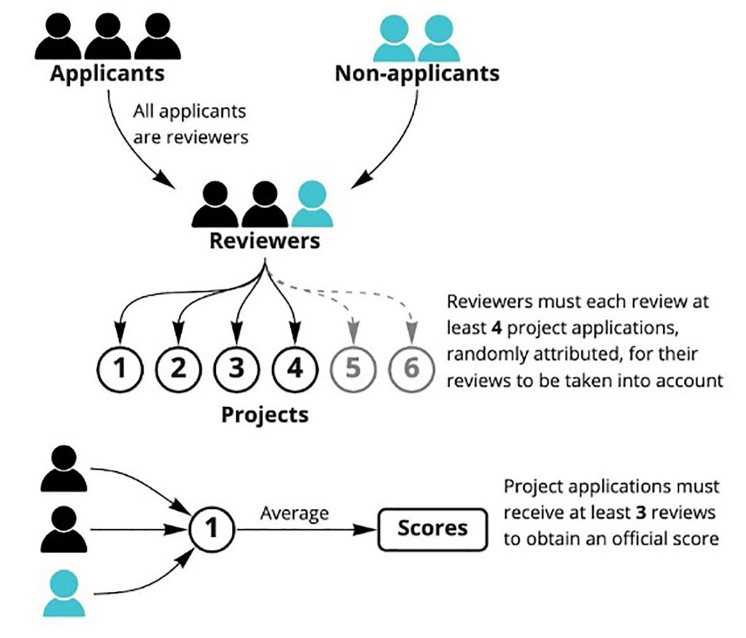
Resource allocation is crucial for the development of innovative projects in science and technology. In response to the urgent COVID-19 pandemic in 2020, we implemented an agile “community review” system with JOGL to quickly allocate micro-grants for the prototyping of innovative solutions. In this paper published in f1000Research we analyzed the results of 7 review cycles. Implemented across 147 projects, this process is characterized by its speed (median duration of 10 days), scalability (4 reviewers per project regardless of the total number of projects), and robustness, measured by the preservation of the projects’ ranking order after the random removal of reviewers. Including applicants in the review process does not introduce significant bias, showing a correlation of r=0.28 between evaluations, similar to that observed for non-applicants and within traditional funding methods. This system allows for agile improvement of proposals, promoting the implementation of successful early prototypes and the constructive revision of initially rejected projects. This work demonstrates the effectiveness of a frugal community review for agile resource allocation in open innovation contexts.

Quantifying the rise and fall of research fields

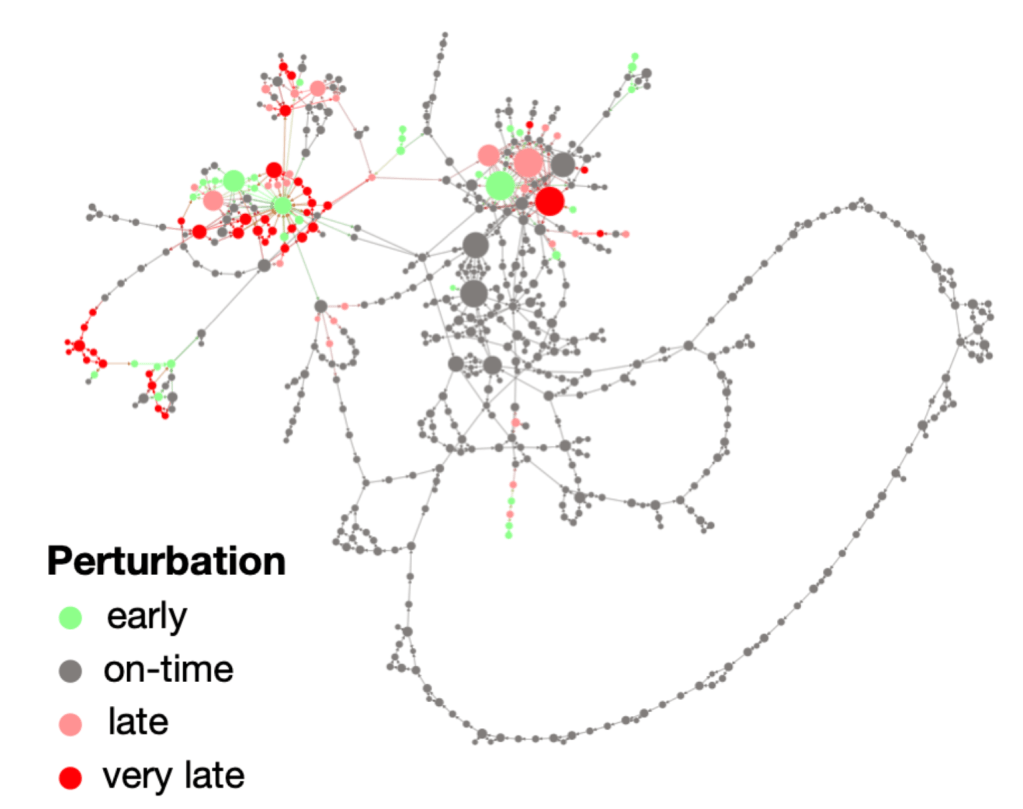
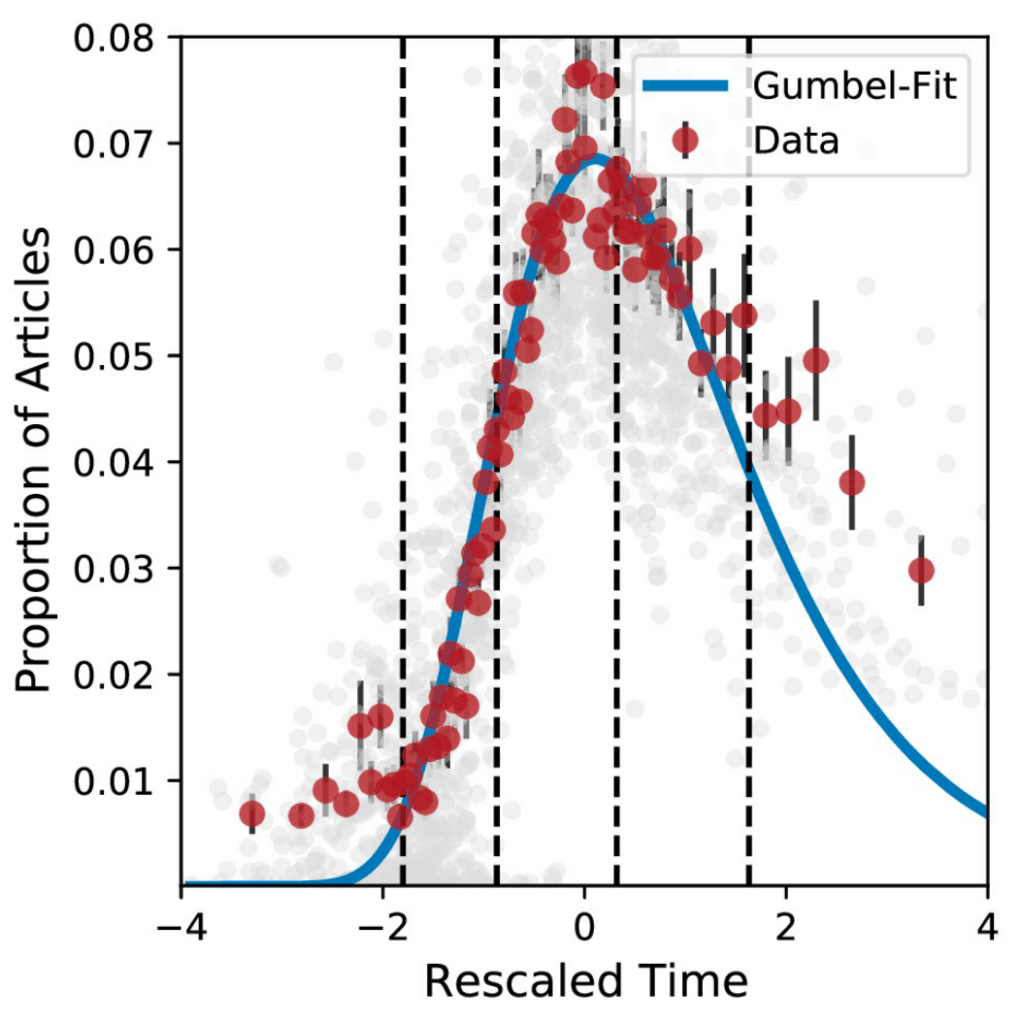
In this paper published in PLoS ONE, we leverage field tags metadata from the open access arXiv repository (1.5M articles) to reconstruct the evolution of 175 research fields from Physics, Maths, CS. We show that the observed rise and fall behaviour of fields is well described by a 2-parameters right-tailed Gumbel distribution, allowing us to rescale fields on a universal time scale and compare them on the same terms. Using delineations from the innovation literature, we then distinguish standard evolutionary stages of creation, adoption, peak, early and late decay, and we quantify characteristics of authors and articles at each stage. We find that early stages are characterised by small interdisciplinary teams of early career researchers publishing disruptive work, while late phases exhibit the role of specialised, large teams building on the previous works in the field.

Continue reading

A “Collaborative sonar” to reconstruct team networks

In this new article presented at the ACM Conference on Pervasive and Ubiquitous Computing, we introduce the CoSo app (Collaborative Sonar) for large-scale collection of collaboration data within team ecosystems. The acquisition of passive social data through digital traces can be limited and often needs to be supplemented by qualitative approaches such as surveys or self-reported data. However, collecting relational surveys at scale poses challenges both in terms of human deployment and technical issues, as it involves probing the interactions relevant to an individual (for example, their team members). To address this need, we developed the CoSo (Collaborative Sonar) platform.

Continue reading